 Tucson Rodent Shield
Service
Bee Removal
Finding a swarm on your fence post or hearing a steady hum inside your wall changes your whole afternoon. Bees in our desert region aren't just a nuisance -- they're a genuine safety concern when they settle near doorways, kids' play areas, or your HVAC equipment. And in many cases, removing the hive is only half the job.
That's why we treat bee work as a two-part process: get the bees out, then make sure the next colony doesn't move into the same spot. Our team handles removal with care and then seals up the entry points that invited them in the first place. It's the same block-by-block approach we bring to every rodent and pest job -- thorough, practical, and built to last.
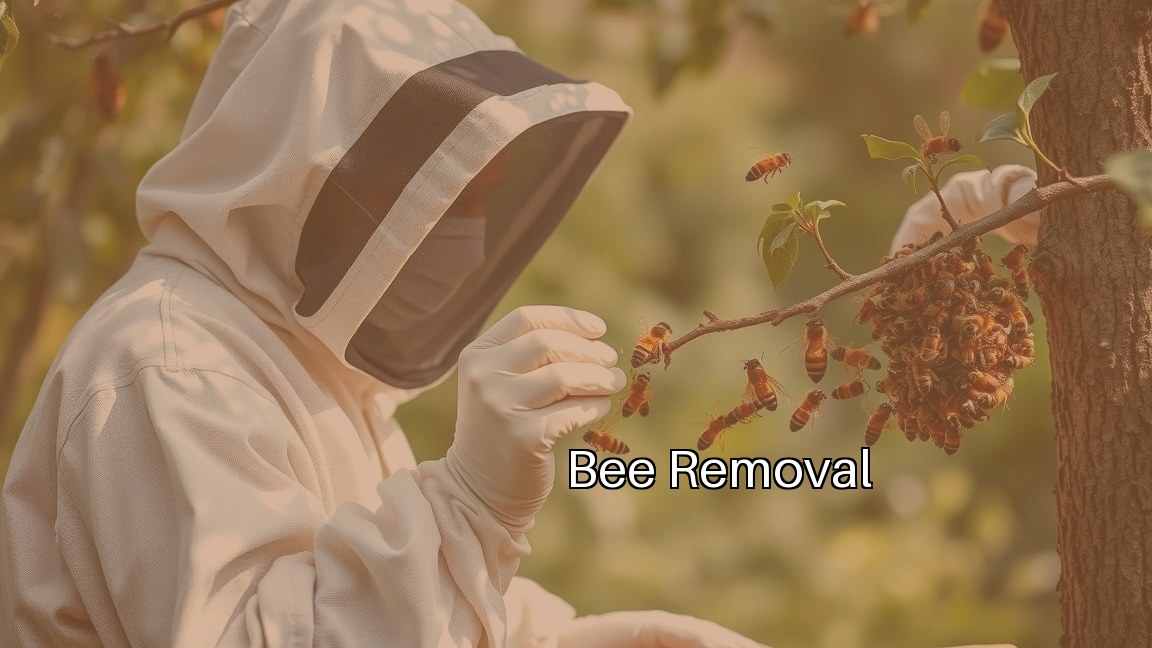
What Our Bee Removal Service Involves
Every bee job starts with locating the actual hive -- not just the bees you can see. Swarms cluster on a branch or wall while scout bees hunt for a permanent home, and once they pick one, the colony moves fast. Colonies that have already set up inside a wall void, roof eave, water meter box, or an old shed require a more careful approach. We identify where the bees are, how long they've been there, and whether you're dealing with a temporary swarm or an established colony with comb and honey.
Once we know what we're working with, we remove the bees and, where possible, the comb and honeycomb with them. Left-behind comb is a magnet for future swarms, wax moths, and other pests, so we don't consider the job done until the cavity is cleaned out. From there, we handle the exclusion work: sealing weep holes, cracks around eaves, gaps in stucco, and openings around pipes or vents so the next colony looking for a home passes your property by.
Why Homeowners Choose Professional Bee Removal
Safe, Careful Removal
We clear bees from your property using methods that protect your family, pets, and the surrounding yard.
Full Hive Cleanup
Removing bees without the comb leaves honey and wax behind that attracts new colonies and other pests.
Lasting Exclusion
We seal the entry points that let bees in, so the same wall or eave doesn't become a repeat problem.
Protection for Odd Spots
Water meter boxes, block walls, and shed cavities are favorite nesting sites in our region, and we know how to treat them.
Peace of Mind
You can walk your property again without wondering whether the humming in the wall is getting worse.
Confidential, no pressure.
How Our Bee Removal Process Works
- Inspect And Locate We find the hive, confirm whether it's a passing swarm or an established colony, and check the surrounding structure for entry points and secondary activity.
- Remove The Colony We clear the bees from the site using appropriate methods for the situation, then remove comb and honey from the cavity so nothing is left to attract new pests.
- Clean The Area Residual wax and honey draw in moths, ants, rodents, and future swarms, so we clean out the void and prep it for sealing.
- Seal And Exclude We close off entry points around eaves, weep holes, and utility penetrations, blocking the next colony from moving into the same spot.
- Follow-Up Check We verify the removal held, confirm no new activity at the site, and answer any questions about keeping your property bee-resistant.
Who Needs Bee Removal
You should call for bee removal the moment you notice clustering bees around a single spot on your home, a steady stream of bees entering a crack or weep hole, or a faint buzzing inside a wall that wasn't there last week. Swarms that land in a bush or on a fence often move on within a day or two, but bees that find a way into a structure will build fast -- comb grows quickly in our warm climate, and the longer a colony stays, the harder the cleanup gets.
This service is for homeowners, landlords, and business owners dealing with bees in walls, eaves, sheds, meter boxes, block walls, and anywhere else a colony can gain a foothold. It's especially important for households with kids, pets, or anyone with a bee sting allergy, and for properties with prior infestations where an old cavity might attract a new swarm.
Frequently Asked Questions
Can I just wait for the bees to leave on their own?
Sometimes, yes -- a resting swarm may move on within a day or two. But once bees find an opening and start building comb inside a wall or eave, they're staying. The sooner we remove an established colony, the less honey, wax, and cleanup is involved.
Why can't you just spray and be done with it?
Killing the bees without removing the comb leaves honey and wax inside the cavity. That residue melts, smells, attracts ants and wax moths, and signals future swarms that the spot is prime real estate. Full removal plus exclusion is the fix that actually holds.
How do you keep bees from coming back?
We clean out the old comb and seal the entry points -- weep holes, eave gaps, cracks around pipes and vents -- that let the colony in. Without an attractive cavity and an open entrance, new swarms look elsewhere.
Is it dangerous to have bees removed while my family is home?
Our technicians work methodically and will let you know if any areas of your yard need to be avoided during the removal. Most jobs are contained to the immediate area, and we clear the site before we wrap up.