 Tucson Rodent Shield
Service
Ant Control
Out here, ants aren't a seasonal nuisance — they're a year-round campaign. The same heat and dryness that make the desert beautiful push ants straight into your home, following moisture trails into kitchens, bathrooms, and the gaps around your foundation. A few scouts on the counter today are an invasion next week.
We handle ants the way we handle everything: find the colony, treat the source, and seal the paths they use to get in. No sprays that scatter the colony deeper into your walls, no one-size-fits-all treatments. Just straightforward work that holds up in desert conditions.
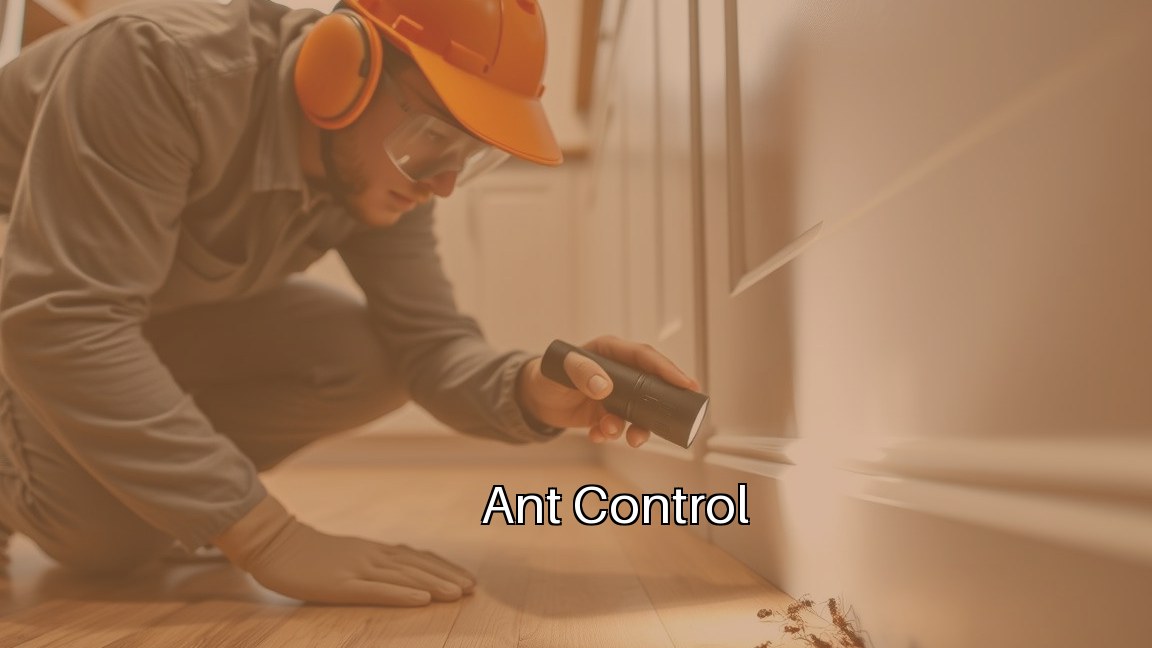
What Our Ant Control Service Involves
Effective ant control starts with identification, because different species behave differently. Argentine ants trail in massive super-colonies along irrigation lines and wall voids. Carpenter ants excavate moist wood around leaks and rooflines. Pavement ants and harvester ants each come with their own habits, food preferences, and nesting spots. We identify what you're actually dealing with before we treat a single crack.
From there, treatment is layered. We use non-repellent products and targeted baits that foraging ants carry back to the queen — because killing the workers you can see does nothing if the colony keeps producing replacements. We treat exterior entry points, landscape harborage areas, and interior activity zones, and we identify the conditions drawing ants in: moisture from drip lines, food sources, and the weep holes, expansion joints, and foundation gaps that give them a highway inside. Then we tell you exactly what to fix so the problem stays solved.
Why Homeowners Trust Our Ant Control
Colony-Level Elimination
We target the queen and the nest, not just the ants marching across your counter, so the population actually collapses instead of rebounding.
Desert-Specific Methods
Our treatments are built for intense heat and dry conditions, applied where ants actually nest and forage in this climate.
Interior-Safe Approach
We use precise, targeted applications in living spaces rather than broadcasting product across your home.
Exclusion Guidance
You get a clear rundown of the entry points and conditions attracting ants, so you can make fixes that prevent the next invasion.
Longer Relief
Treating the source means results that outlast a spray-and-pray approach — you stop seeing ants instead of managing them.
Honest Communication
We explain what we found, what we're doing, and why — no scare tactics, no upselling treatments you don't need.
Confidential, no pressure.
How Our Ant Control Process Works
- Inspect and Identify We walk your property inside and out, identify the ant species, and locate trails, food sources, and nesting sites so treatment hits the right target.
- Build the Treatment Plan Based on what we find, we put together a plan combining baits, non-repellent treatments, and targeted applications — matched to the species and your home's layout.
- Treat the Source We apply treatments at colony locations and entry points, using products foraging ants carry back to the nest so the whole colony goes down, not just the scouts.
- Seal and Advise We point out the gaps, moisture issues, and conditions that let ants in, and give you a practical list of fixes to keep them out.
- Follow Up If activity continues, we come back and adjust the approach. Ant control sometimes takes more than one pass, and we stand behind the work.
Who Needs Ant Control and When
If you're seeing a consistent ant trail in your kitchen, bathroom, or along a wall, you're past the DIY stage. Over-the-counter sprays kill visible ants but often trigger colonies to split and spread — a problem called budding — which makes infestations worse, not better. If you've treated repeatedly and ants keep coming back, or you're finding piles of sawdust-like debris that suggest carpenter ants in wood, it's time for professional help.
We also work with homeowners who want prevention, not just reaction. Monsoon season drives ants indoors chasing moisture, and new construction or landscaping changes can redirect established colonies straight toward your foundation. Whether you're dealing with a full-blown infestation or you just want the perimeter handled before ants find their way in, we'll set it right.
Frequently Asked Questions
Why do ants keep coming back after I spray?
Sprays kill the worker ants you can see, but the queen keeps producing replacements by the thousands. Some species even split into new colonies when disturbed. Professional baits and non-repellent treatments work differently — the ants carry the product back to the nest, eliminating the colony at its source.
Are ant treatments safe for kids and pets?
Yes, when applied correctly. We use targeted applications in cracks, crevices, and exterior entry points rather than broadcast spraying your living spaces. We'll walk you through any temporary precautions, like keeping pets off treated surfaces until they dry.
How long does ant control take to work?
You'll often see a temporary increase in activity as ants take bait back to the nest — that's a sign it's working. Most infestations decline noticeably within a week or two, and we follow up if activity persists so the treatment gets fully completed.
Do you treat the outside of my home, or just inside?
Both, because that's where the colony actually lives. We treat exterior entry points, foundation gaps, and landscaping harborage areas, and handle interior activity zones as needed. Stopping ants at the perimeter is usually the difference between a one-time fix and a recurring problem.