 Tucson Rodent Shield
Service
Termite Control
Termites in the desert don't advertise. They come up through expansion joints, slip in behind stucco, and quietly work the wood framing you never see — until a baseboard goes soft or a door frame stops closing square. By the time most homeowners notice, there's a colony that's been at it for years.
We treat termite control like a structural issue, not a sales pitch. Our techs know how homes out here are actually built — block, adobe, wood framing, and the hybrid mixes in between — and they know exactly where termites get in. No scare tactics, no blanket treatments. Just a straight answer about what you have, what it's doing, and what it takes to stop it.
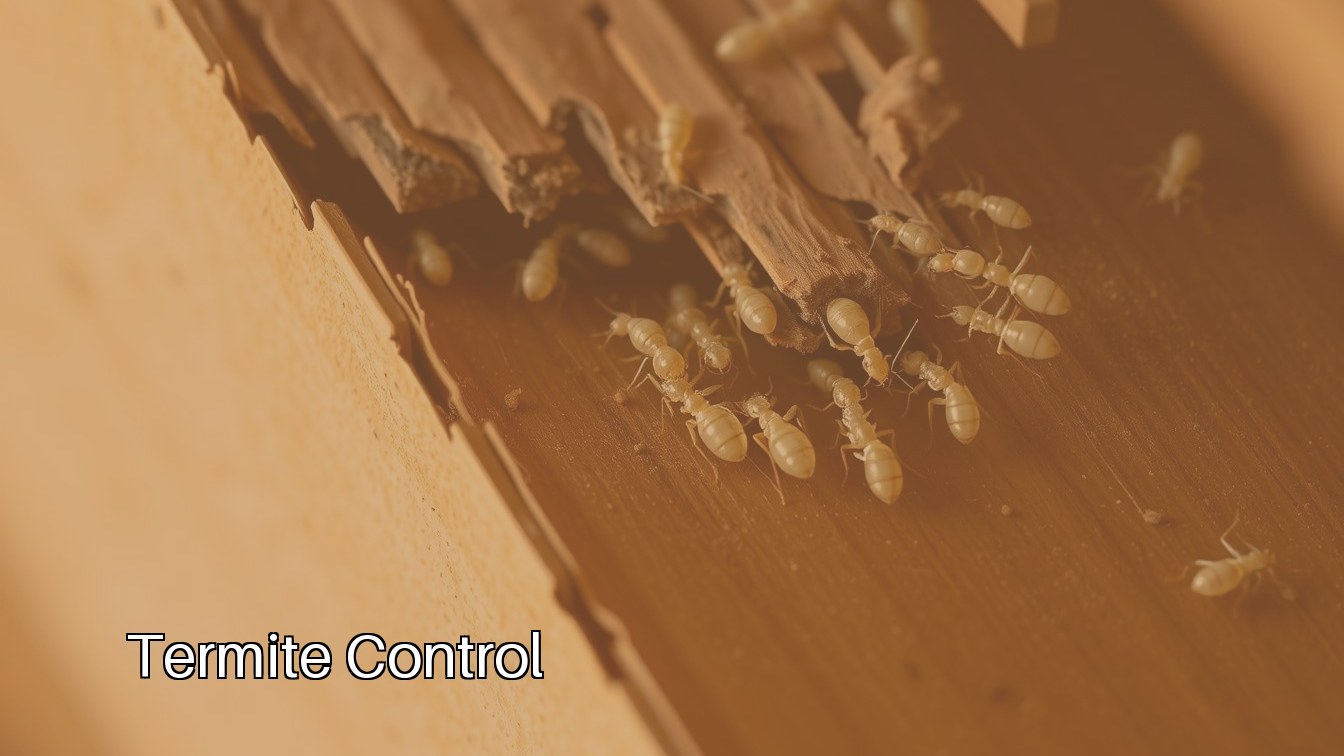
What Termite Control Involves
Every job starts with a real inspection — crawlspace, slab perimeter, attic, attached structures, and the spots most people never check, like weep holes, plumbing penetrations, and expansion joints where slab meets stem wall. We're looking for mud tubes, damaged wood, discarded wings, and the moisture conditions that invite subterranean termites in. In our region, subterranean species do most of the damage, and they almost always enter from the soil, so that's where the treatment plan starts.
Treatment itself depends on what we find and how your home is built. For most homes, that means a targeted liquid soil treatment that creates a treated zone termites can't cross, applied along the foundation, at entry points, and anywhere the colony is actively working. Where the situation calls for it, we use baiting systems that eliminate the colony at the source rather than just repelling it. We drill only where we have to, we trench instead of flooding, and we walk you through exactly what we're putting down and why.
Why Homeowners Choose Our Termite Control
Colony-Level Elimination
We don't just push termites back — we target the colony so the workers, soldiers, and queen stop feeding on your home for good.
Desert-Construction Savvy
We understand block, adobe, and wood-frame homes, and we know the specific entry points termites use in each.
Targeted, Not Blanket
Treatments are mapped to actual activity and entry points, which means less product, less drilling, and no wasted work.
Structural Protection
Stopping termites early protects the framing, beams, and foundations that are expensive to repair and impossible to ignore.
Long-Term Monitoring
We set up follow-up so if anything tries to come back through a new entry point, you hear about it before it becomes damage.
Honest Answers
If it's drywood damage, moisture rot, or carpenter ants instead of termites, we tell you that — and point you toward the right fix.
Confidential, no pressure.
Our Termite Control Process
- Full Inspection We inspect slab perimeter, crawlspace, attic, and attached structures, checking weep holes, plumbing penetrations, and expansion joints for mud tubes, wings, and damaged wood.
- Straight Findings Report You get a clear explanation of what we found, where the colony is entering, and what treatment actually makes sense — with no upselling or alarmist padding.
- Targeted Treatment We apply a liquid soil treatment along the foundation and active entry points, or install baiting systems where colony elimination calls for it — drilled and trenched only where necessary.
- Follow-Up Checks We return to confirm the colony is dead, inspect treated zones, and flag any new conditions — like irrigation against the foundation — that could invite the next one in.
Who Needs Termite Control
If you're seeing mud tubes on your foundation or stem wall, piles of discarded wings near windows, or wood that sounds hollow or feels soft when pressed, you need treatment — and the sooner the better. The same goes for anyone buying or selling a home in the area, since termite findings are one of the most common deal-stoppers in a desert real estate transaction.
But you don't need visible damage to justify a call. If your home is more than a few years old and has never been treated, if you've had irrigation or drainage changes near the foundation, or if a neighbor just found activity, an inspection is cheap peace of mind. Termites in this climate work slowly and quietly — a professional inspection catches them years before a homeowner does.
Frequently Asked Questions
How do I know if I have termites and not carpenter ants or drywood termites?
Subterranean termites build mud tubes and enter from the soil, while drywood termites live inside the wood itself and push out small pellet droppings. Carpenter ants don't eat wood at all — they excavate it, leaving smooth galleries and coarse debris. A professional inspection sorts it out in one visit, because the right treatment depends entirely on which one you have.
Will treatment require drilling into my slab or foundation?
Sometimes, yes — for homes with a concrete slab, drilling through the slab at the perimeter or at expansion joints is often the only way to get soil treatment where subterranean termites are actually entering. We drill only where the inspection shows activity or entry points, patch the holes afterward, and explain every hole before we make it.
Is the treatment safe for my kids and pets?
We use targeted applications at specific entry points rather than broad-spraying the whole property, which keeps product volume and exposure low. We'll tell you exactly what we're applying, where, and how long to stay off treated areas — usually just until everything dries.
How long does a termite treatment last?
A properly applied soil treatment can protect a home for several years, but desert conditions shift — irrigation changes, new cracks, landscaping against the foundation, and construction work can all open new entry routes. That's why we build in follow-up inspections: the treatment holds, and we catch anything that tries a new way in.